

Nick Bello is a writer and photographer based in Park Slope. He loves to capture local scenery as well as research local history. Follow him on Instagram @nbello8 or on substack at:
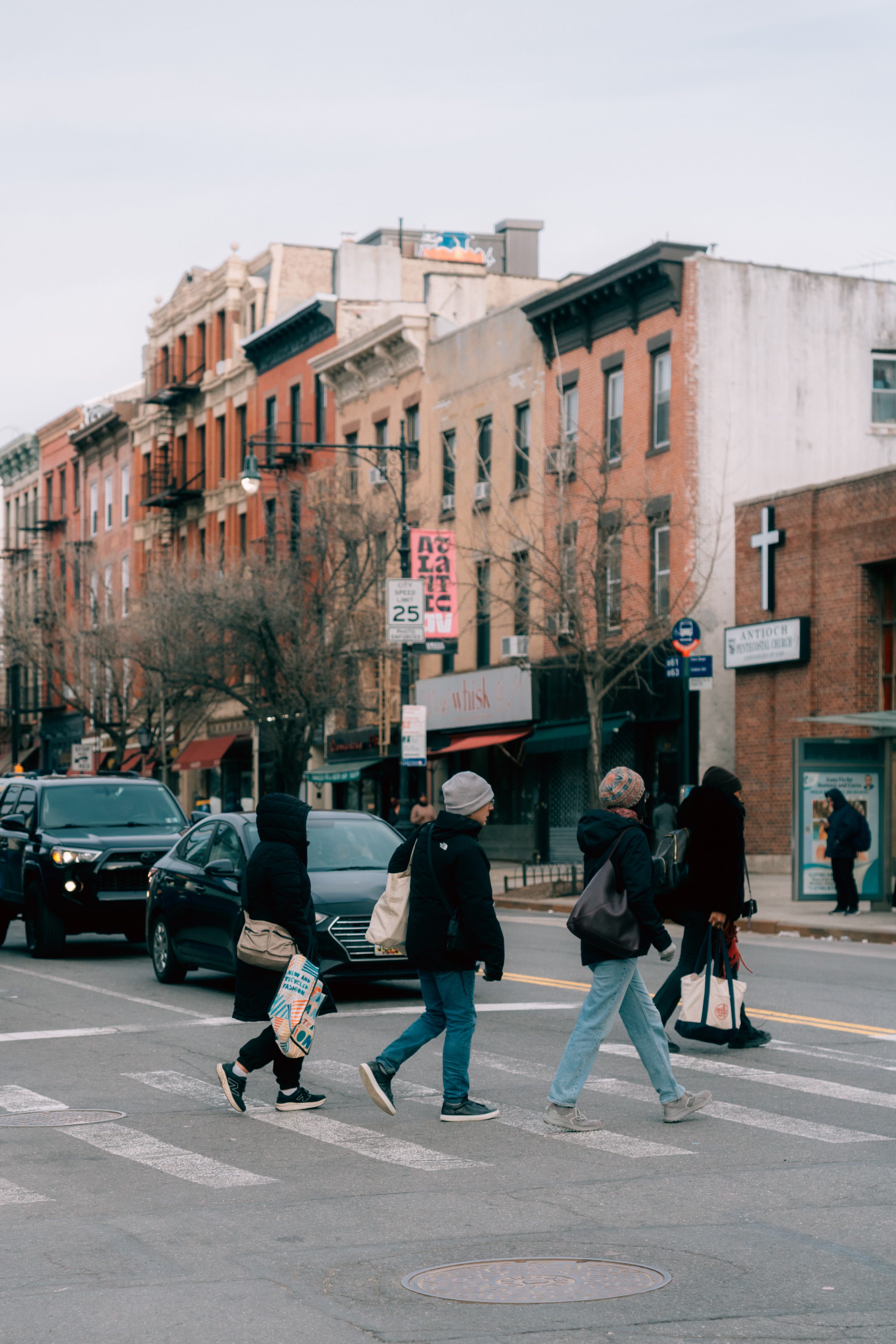
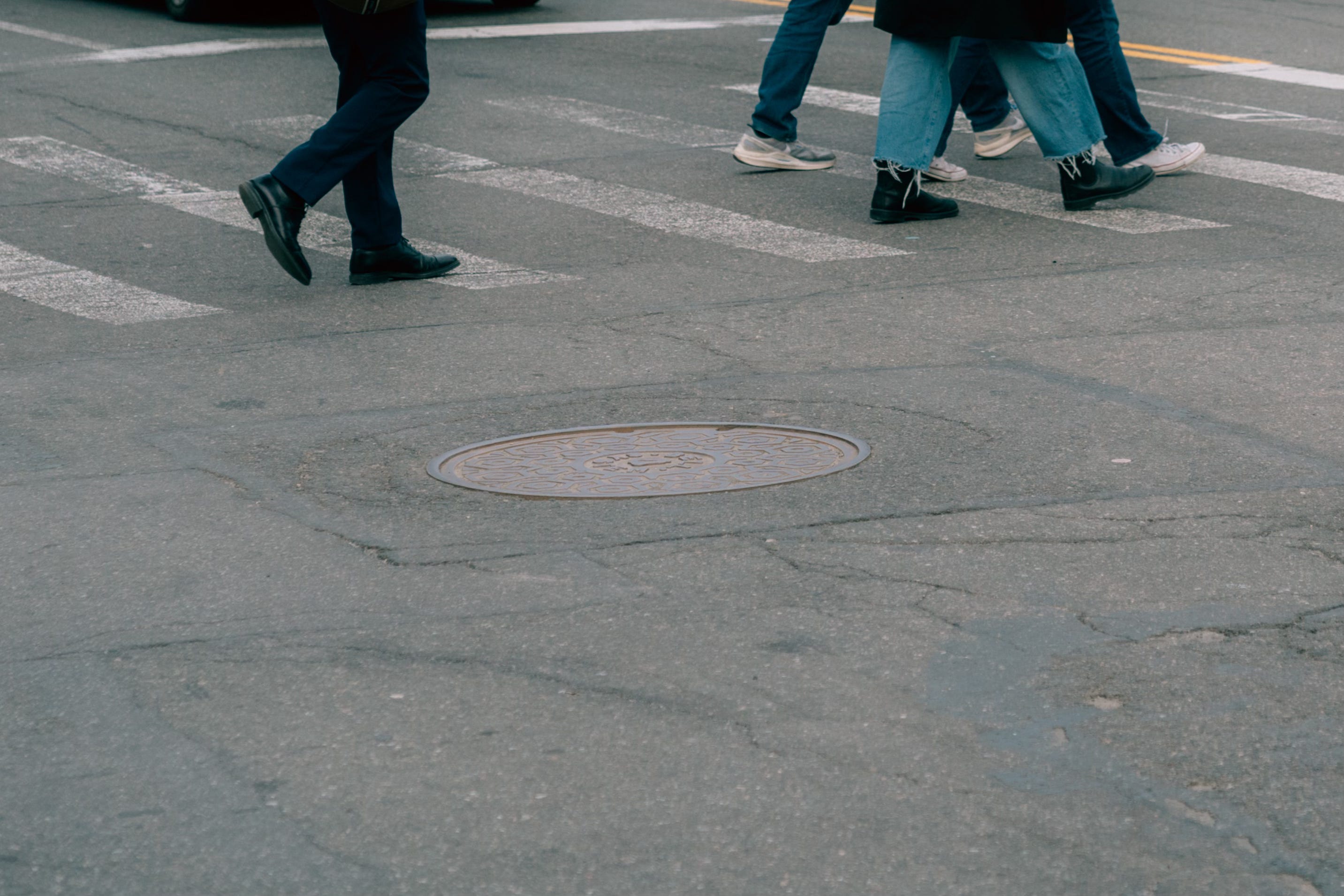
There is a manhole cover at the intersection of Court Street and Atlantic Avenue that thousands of cars and people walk over every day, unaware of what lies just beneath their feet and tires. A lot of Brooklyn history remains buried in the ground below us, forgotten stories reduced to layers of sediment that hold up the present. A man named Bob Diamond knew something had to be under that manhole cover, and when he found it, he spent the majority of his life trying to educate the public about its existence. He became consumed by what it was and could be, scrapping together money to bring it back to life. Today it remains lost, yet again.
A Railroad Beneath Brooklyn
In the mid 1800s, Brooklyn had an issue when it came to trains hitting pedestrians in the street. Trains, which were operated by the Long Island Railroad from the ferry crossing at the bottom of Atlantic Avenue to the to Jamaica station, operated on city streets during this period and lacked the braking ability required for dealing with pedestrians crossing busy streets, leading to multiple deaths. The tipping point came in 1839, when two children were killed according to an article in the Journal of Long Island History. In 1844 an idea to build a tunnel beneath the street was hatched by the Long Island Railroad under Cornelius Vanderbilt, leading to what would become the world’s first subway tunnel ever constructed. To complete this ambitious project for that time, engineers used what is called the cut and cover method. This method is one of the oldest ways of tunnel making as it was how the Romans constructed their tunnels. It involves digging a trench, constructing the tunnel in that trench and then covering the tunnel. While this may have been disruptive as it involves digging a giant trench in the middle of the street, it was the most cost effective way to go about this tall task.
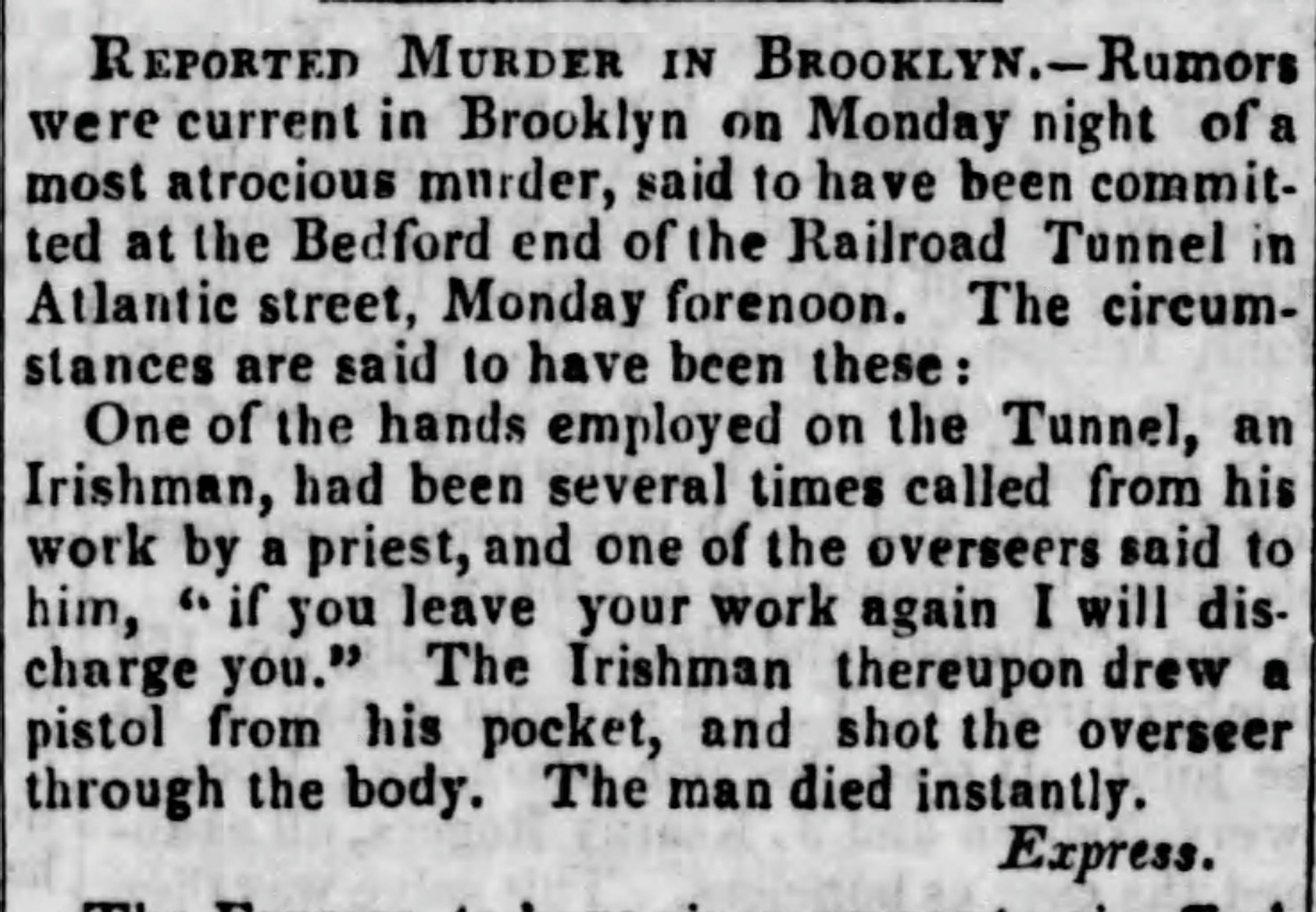
The tunnel took seven months to construct, and crews of mostly Irish and other immigrant workers used hand tools and other rudimentary tools to construct the tunnel. The tunnel was constructed at the cost of some lives. In May, an Irish worker murdered a foreman over a dispute about the workers frequent distraction from his work to visit a priest. The worker drew a gun and shot the foreman in cold blood. Later that year, a man fell from the street level into the trench and workers were buried alive when the tunnel caved in on them.
The Atlantic Avenue tunnel opened on December 4, 1844 with a large celebration at noon. Five train cars filled with people who had a hand in the project passed through the tunnel to celebrate the occasion. In a speech by George B. Fisk, the then president of the Long Island Railroad, the public was thanked for their cooperation during the rather loud and inconvenient months that the residents of Atlantic Avenue had to endure.
Operation And Closure
The tunnel operated smoothly for a number of years after it opened. This was the first time Long Island and Boston would be connected via rail link as trains from Boston would terminate at the southern tip of Manhattan and passengers would board ferries to Brooklyn and take trains through the tunnel and to Jamaica station. They could then board trains to the outer parts of Long Island. This avoided the building of long and costly bridges across the Long Island Sound. This also brought a lot of business to Brooklyn which was developing into a commercial hub. Eventually the tunnel’s operation would meet its end. In the 1850s, residents along Atlantic Avenue complained that the smoke emanating from the tunnel’s ventilation shafts polluted the air. It is also believed that the Litchfield brothers, who we spoke about in this article in Park slope Living and were railroad moguls, had their hand in stopping the operation. It is rumored that the Litchfield’s, primarily Electus, lobbied the local population against the railroad so they could exploit the situation for their own financial gain.
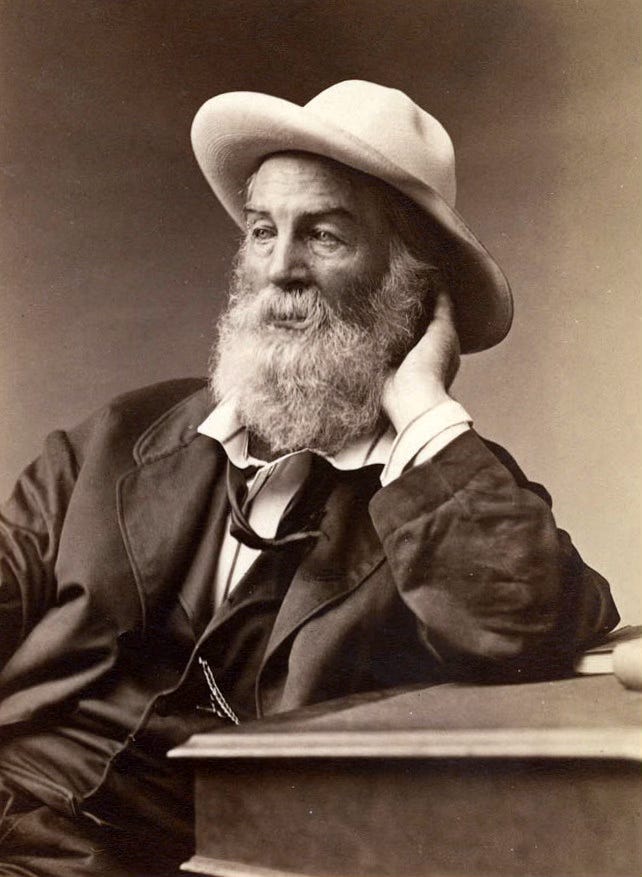
In 1857, the famed poet Walt Whitman had fallen on hard times after publishing his first book Leaves of Grass and was writing for local papers to supplement his income. Whitman reported on this matter as local officials were in the early stages of creating an act to ban the usage of the tunnel. In an article for the Brooklyn Daily Times he said:
“We trust that the minority report will be promptly rejected and that the Com. Council will not plunge into any such quixotic measures as its president suggests. We do not believe either that it can or should plunge the city into a contest at law with the Long Island railroad company—for this is in short what the Atlantic street people invite us to. Doubtless it may be more convenient to the persons residing on the street that they should have a line of city horse-cars there instead of locomotives; but the interest of the city at large points in the contrary direction. The railroad has contributed to populating the island, and to build up even Atlantic street itself. It needs no argument to prove that to abolish the use of steam would be to diminish traveling facilities on the road, and to avert benefits which every such line must confer on the locality at its terminus. Nor is this all: other public companies who might have been disposed to invest their money here will pause when they observe our municipal authorities acting harshly towards this company, and disposed even to stretch a point to annoy them. One of the best things that can happen to a growing city like Brooklyn is to have her affairs administered in a liberal and even indulgent spirit toward those who invest their capital and energies in building up her trade, and increasing her commercial importance. No greater misfortune can befall us than to have manufacturers snubbed and “monopolies” denounced and annoyed in every conceivable manner, at the whim and beck of every one who may deem himself injured by them.”
What Whitman was getting at here is that this was a case of what we would call NIMBYism today. In 1859, the city of New York passed an act that prevented the usage of steam locomotives in Brooklyn, ending the use of the Atlantic Avenue tunnel. Almost simultaneously, Electus begins plans for a horse-drawn railroad that would operate at street level above the Atlantic Avenue tunnel, showing his direct benefit from the situation. The tunnel openings were sealed in 1861, 17 years after it opened and it would remain sealed for more than a century.
Conspiracy
There was a lot of mystique about the tunnel in the years that it closed. Whitman revisited the tunnel in 1862 in his series Brooklyniana which was published in the Brooklyn Standard. In the article, he yearns for the day where the tunnel was up and running, describing how much of a feat it was that it could take you from the bottom of Atlantic Ave and bring you all the way to the quaint towns of Long Island. While Whitman yearned, others saw the tunnel as the place for conspiracy theories and even fictional tales like The Horror at Red Hook by H.P. Lovecraft. The tunnel’s closure did leave it a great place for nefarious activities, as evidence proves that it was most likely used as a place to make and store bootleg alcohol during Prohibition.
The one story that led to its rediscovery in the 1980s was a theory that the tunnel housed a steam engine which contained the lost pages of John Wilkes Booth, the infamous assassin who killed President Abraham Lincoln at Ford’s Theater. Booth was one of the best actors at that time in America and was also known to be a Confederate operative. After he killed Lincoln, he evaded being caught and fled Washington D.C. and headed south towards Virginia and intended to reach Richmond, the Confederate capitol. However, Booth had broken his leg when he fell from the balcony in Ford’s Theater after killing Lincoln, which inhibited his ability to travel as fast as he would have liked. Eventually federal troops caught up to him in Virginia, just over the Maryland border. Booth was surrounded in a barn and eventually killed. In the time after Booth died, the circumstances around his death were subject to conspiracy theories. Some believed the person that was killed was not Booth and that he escaped. Some also fixated on his diary, which was found on him when he died, and how it was missing some pages that appeared to be torn out. Some theories suggest that Booth burned the pages himself, while others suggest that then Secretary of War, Edwin Stanton, removed the pages as he was trying to ensure that Booth would never become a hero. Another theory however suggests that the pages are in a blocked off section of the tunnel. It is true that Booth was in Brooklyn as well for a period, performing at the Brooklyn Academy of music (then located on Montague Street), in the fall of 1863. Whether or not Booth was here as an operative for the Confederacy is unknown.
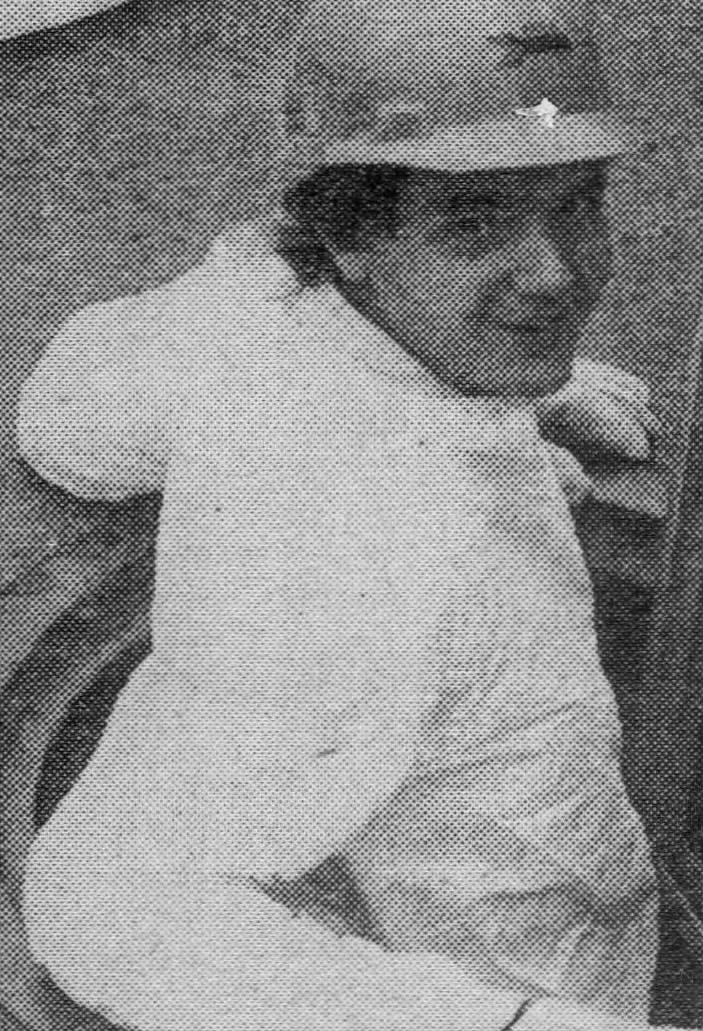
This theory appeared on a radio show where a man from Brooklyn named Bob Diamond first heard of it. Diamond had just withdrawn from the Pratt Institute, where he was an engineering student and became entranced by the story. He sought out to find the tunnel and the lost diary pages, and he was able to pinpoint its location by using maps and information from the New York Public Library. The only question now was how to get access to the tunnel. Diamond was able to find one possible access point, which was below a manhole cover at the intersection of Court Street and Atlantic Avenue. He gained permission from the city to go looking, dropping down the manhole cover in one of Brooklyn’s busiest intersections. When he got down there, it was dark, cramped and mostly covered with dirt. However, Diamond did find a narrow space that headed west, which he shimmied his way down and eventually found a brick arch. Diamond was eventually able to clear the space and bust through the brick wall before dropping a rope ladder down. What he found was not just awe inspiring, but exactly what he had been looking for. He compared the experience in interviews years later to landing on the moon or like Indiana Jones in the Raiders of the Lost Ark. Nearly 120 years after it was sealed up, the tunnel had been rediscovered.
Bringing the Rails Back to Brooklyn
With his newfound prize, Diamond set out to bring it back to its former glory. Him and a small crew cleared out the pathway to the tunnel and added in a proper ladder so they could explore it. The tunnel was a treasure trove of artifacts from Brooklyn’s past, which Diamond collected to show people. He eventually got the city’s permission to start giving tours of the tunnel and quickly people started to turn out in numbers to see this new discovery. In 1982, Diamond established the Brooklyn Historic Railway Association (BHRA) and hoped to complete a lifelong dream of bringing back street trolleys to Brooklyn. The tunnel would serve as part of the experience and would serve as a station along the route. In 1989, the tunnel was placed on the National Register of Historic Places, cementing its legacy and that it would remain intact for years to come.
In the 1990s, Diamond and the BHRA began buying up old trolley’s and storing them in a warehouse in Red Hook where they had worked out a deal and did not have to pay rent. Brooklyn residents were in love with the idea of bringing street cars back and as a result, Diamond was able to secure $300,000 in federal and local grants to fund his plan. The tours of the tunnel were doing well as well which provided more funding. They began laying tracks along the waterfront in Red Hook and created a transformer that used the city’s electrical system for power to operate the trolley’s. The first ride was operated in May of 1997, but it could only go 600 feet but was deemed a success to Diamond as he was relieved that nothing catastrophic had happened.
Around this time, Diamond was heralded as a local hero, appearing on tv and in the press. However, all of the popularity was not enough to get his project off the ground as a lack of private donations and the rapid development in the area put an end to Diamond’s grand plan. In 2002, the city withdrew its support of the project, the first domino to fall in what would lead to the tumultuous end of Diamond’s dream. The next year, the owner of the warehouse in Red Hook where Diamond kept his trains evicted him and the city began removing some of the track in Red Hook. Later that year, Diamond was arrested after emerging from a tour in the tunnel because the city had revoked his permission to operate in the tunnel. Diamond had sunk a lot of his own money into the project and when the city pulled the plug it was devastating for him. The city contended that they were facing budget issues and the project, though a nice idea, was no longer feasible. To make matters worse, Diamond contended a lot with city officials and even with his own crew, his single mindedness did not earn him any favors.
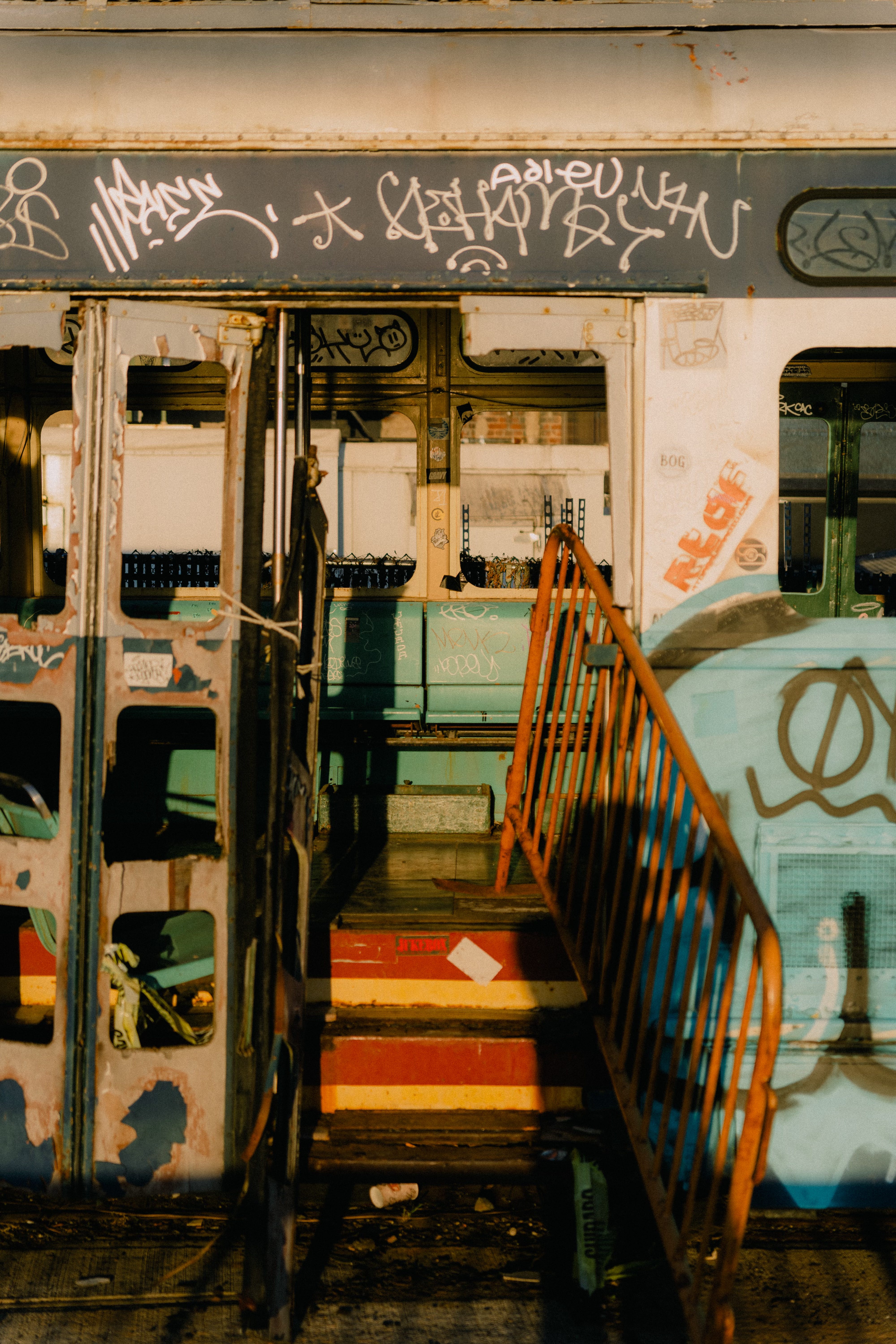
By 2004, the BHRA was relegated to just a warehouse in Red Hook. A New York Times reporter went to see Diamond, who showed him the shortest trolley ride in the world, which was just up and down the few feet of tracks Diamond had in the warehouse. He eventually moved to New Jersey with his girlfriend and began abusing alcohol and drugs as a way to cope with what had happened to him. He eventually cleaned himself up, and moved back to Brooklyn in 2006. In 2007, the city offered to let Diamond begin doing tours of the tunnel again and he would do so for the next three years.
The End of the Dream
When Diamond was allowed back into the tunnel, he came with a new found pursuit to try and find the lost train that had sparked his desire to find the tunnel in the first place. He put more of his own money towards this mission, since he now didn’t have to worry about finding the rail line. Diamond came close to a breakthrough and with that came attention from tv and film producers. In 2010, Diamond signed a contract with National Geographic for a documentary about the search. Once again the city shut Diamond out of the tunnel and the documentary could not be done. The city cited that it was a fire hazard as the one entrance via a ladder could be dangerous in an emergency. Diamond sued the city for them cancelling the contract but a judge ruled against him, citing they were well within their right to do so.
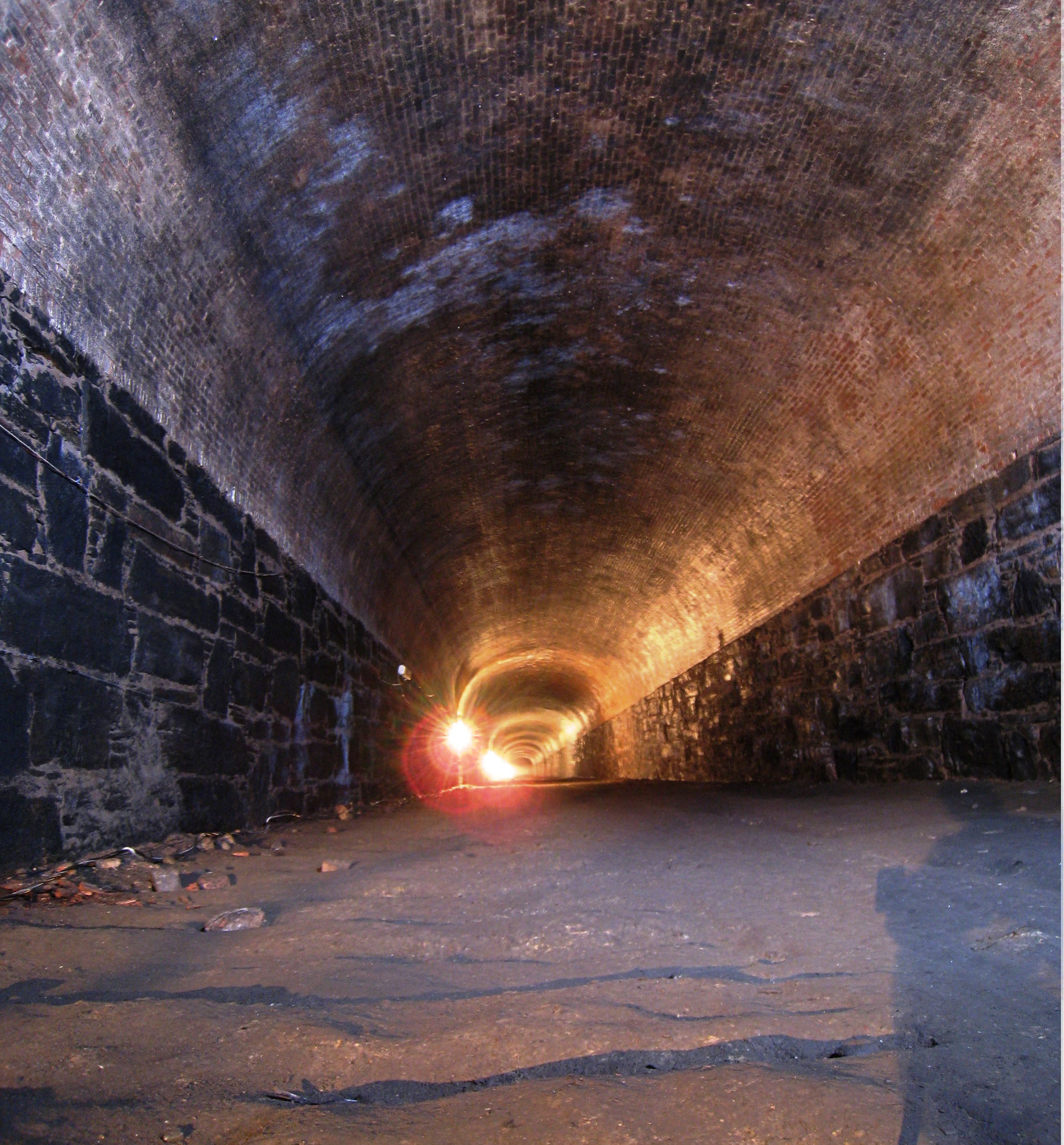
In 2011, engineering consultants who were working with ground penetrating radar along Atlantic Avenue discovered a metal anomaly where the tunnel was. The anomaly, according to an article in the Brooklyn Paper, was 20 feet long and most likely could be the lost train that Diamond had been looking for. Diamond told the Brooklyn Paper, “If I could get back down into the tunnel I would be digging with my teeth and fingernails trying to get at that thing.” He finished by saying, “It will make my lifelong mission in life fulfilled.”
Diamond passed away at the age of 62 in 2021 after dealing with a virus. He was eulogized in the New York Times and many other outlets, who considered him a visionary and advocate. In the years before his death, Diamond worked as a consultant and helped to advise the Brooklyn-Queens Connector (BQX), which was a street car line that would go along the East River from 59th Street in Sunset Park all the way to Astoria. The plan, which was supported by then Mayor Bill DeBlasio, had some legs in the late 2010s as studies were done to determine its feasibility. The plan was terminated however with the end of DeBlasio’s tenure as mayor.
What Lies Forgotten
Discovery and explorations are two addictive things that not many people who have walked this earth have gotten to experience. Think about how many people have been to outer space, or have seen untouched parts of this earth. Many do not get to experience these feelings that make us feel small and human, especially in the confines of our own borough. It is easy to write off Bob Diamond as a dreamer who let his dreams consume him and ultimately destroy him. But looking at him through that lens is dull, and in a world filled with people who do not pursue their desires because of fear, there needs to be more Bob Diamond’s in the world. If we do not decide to pursue the unknown, we will have lost the completely human and euphoric feeling of discovery. There is a manhole cover at the intersection of Court Street and Atlantic Avenue that thousands of cars and people walk over every day, and it is up to the next generation to discover what lies beneath it.
I remember all of this going on while I was in college! I wish I had been able to get a tour of that tunnel before the city closed it off again 😭
This story is incredible! Thank you for this write up.