

Nick Bello is a writer and photographer based in Park Slope. He loves to capture local scenery as well as research local history. Follow him on Instagram @nbello8 or on substack at:
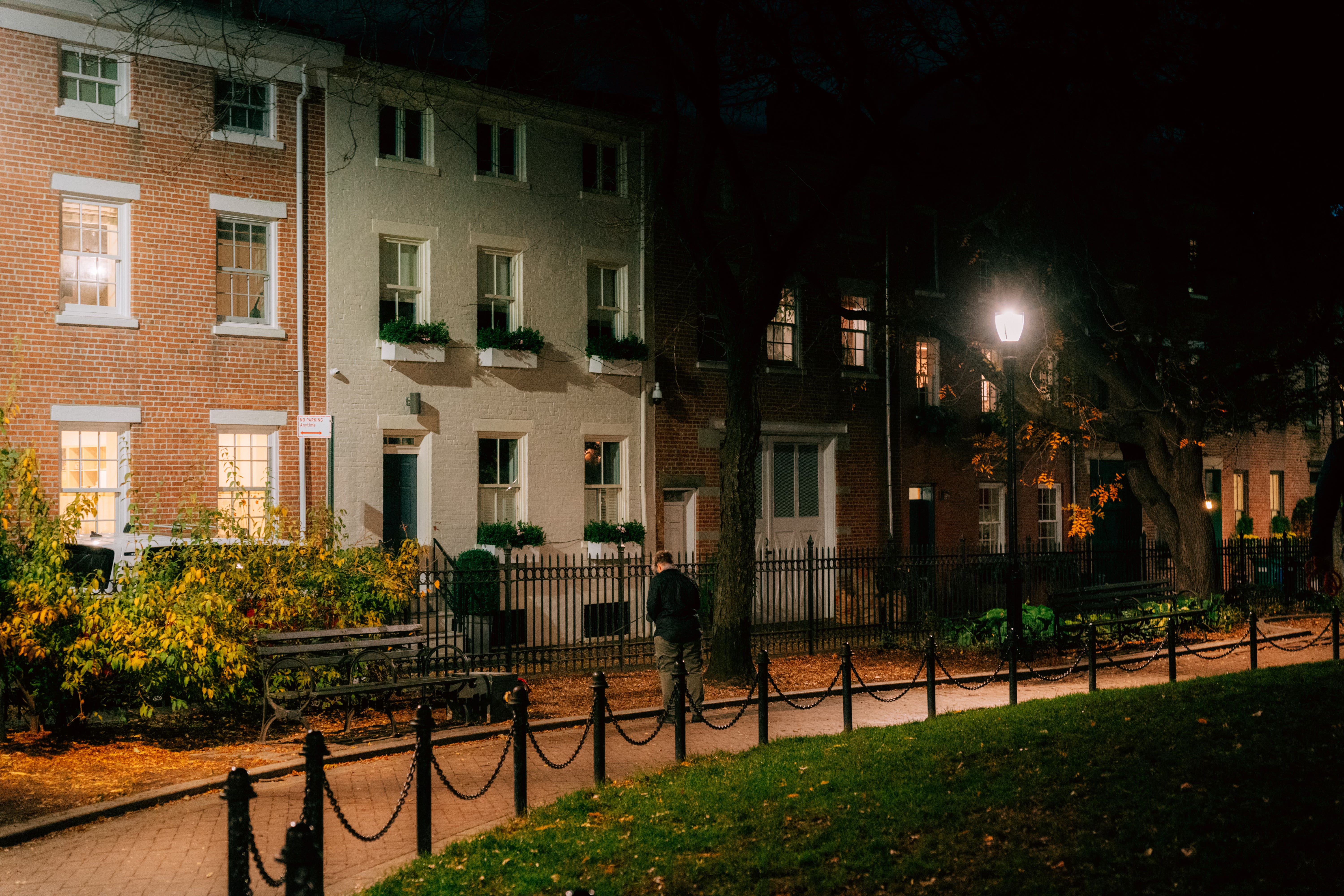
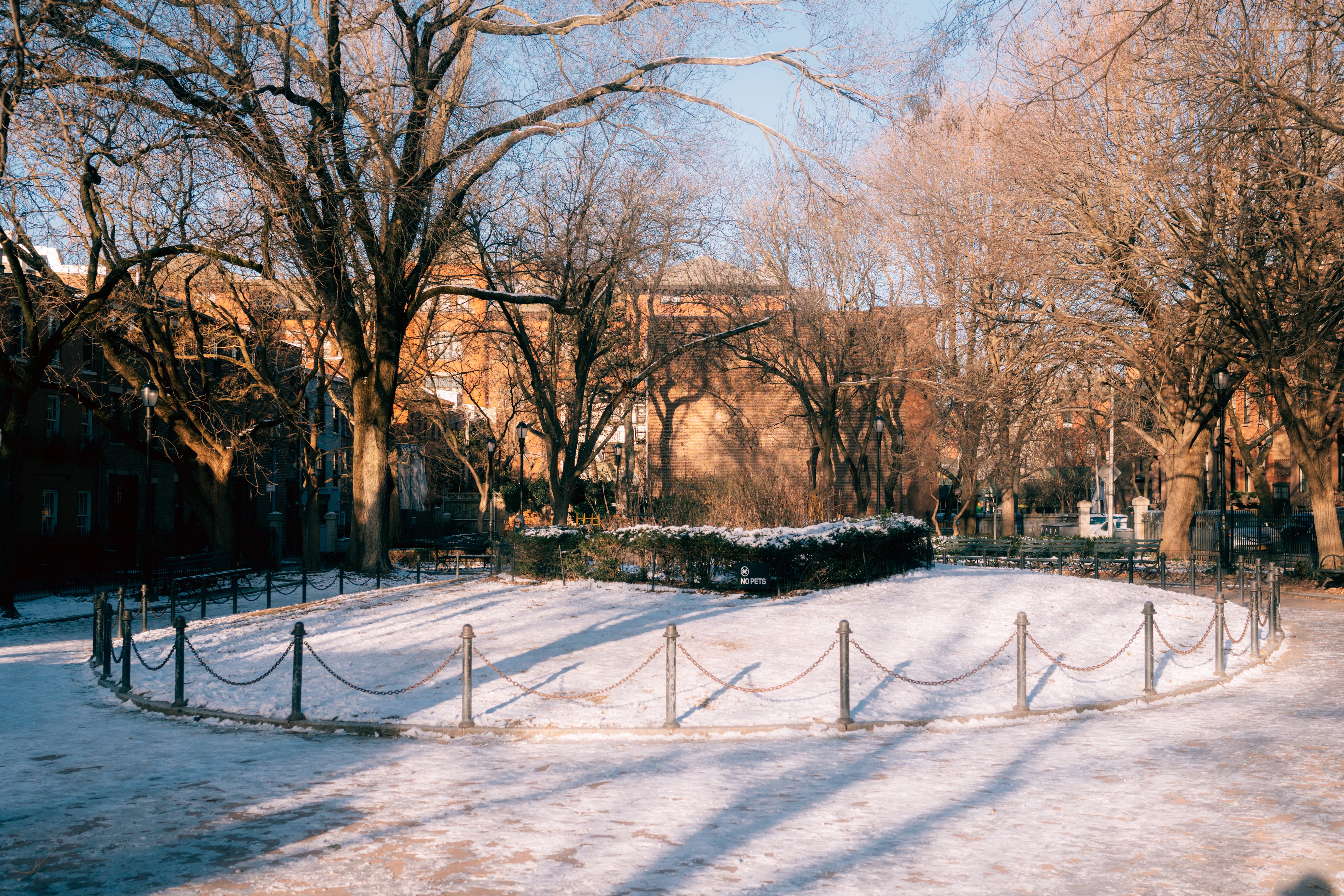
Cobble Hill Park, small yet beautiful, is quite literally the center of the Cobble Hill Historic District. The park is beloved by many in the neighborhood, as it is fairly filled with people when the weather is nice. It looks as if it has been in the neighborhood forever, however, it is not actually that old, built in 1965. In 1989, it would be redesigned and would win two awards, the first being the 1988 Annual Award for Excellence in Design from the Art Commission and the second award was the Philip Winslow Award for Public Projects awarded to the Park’s Council.
Today Cobble Hill Park is beloved by many in the neighborhood. However, many do not know the history of the land in which the park sits on, which played a pivotal role in the abolitionist movement during the Civil War and also helped set the early foundation for what would eventually become the Civil Rights Movement.
Cornelius Heeney
Where Cobble Hill Park sits today was once land belonging to Cornelius Heeney. Born in Ireland and educated in the mercantile trade by a family member in Dublin, Heeney came to America in 1784 and landed in Philadelphia penniless but looking for work. He found a job working with a Quaker named Mead, eventually making his way to New York. He would find yet another hospitable Quaker, William Backhaus, who would give him a job as an accountant and bookkeeper in his store that was located on Water Street in Manhattan. Here he would meet John Jacob Astor, the man who would go on to become one of the first multimillionaires in America. Backhaus’ business was in the fur trade which was quite lucrative at that time. In 1797, Backhaus would retire and leave his business to both Heeney and Astor. The two former employees now co-owners would keep the business running for a short period of time before Heeney would start his own store also on Water Street. Astor would keep the Backhaus store in the split.
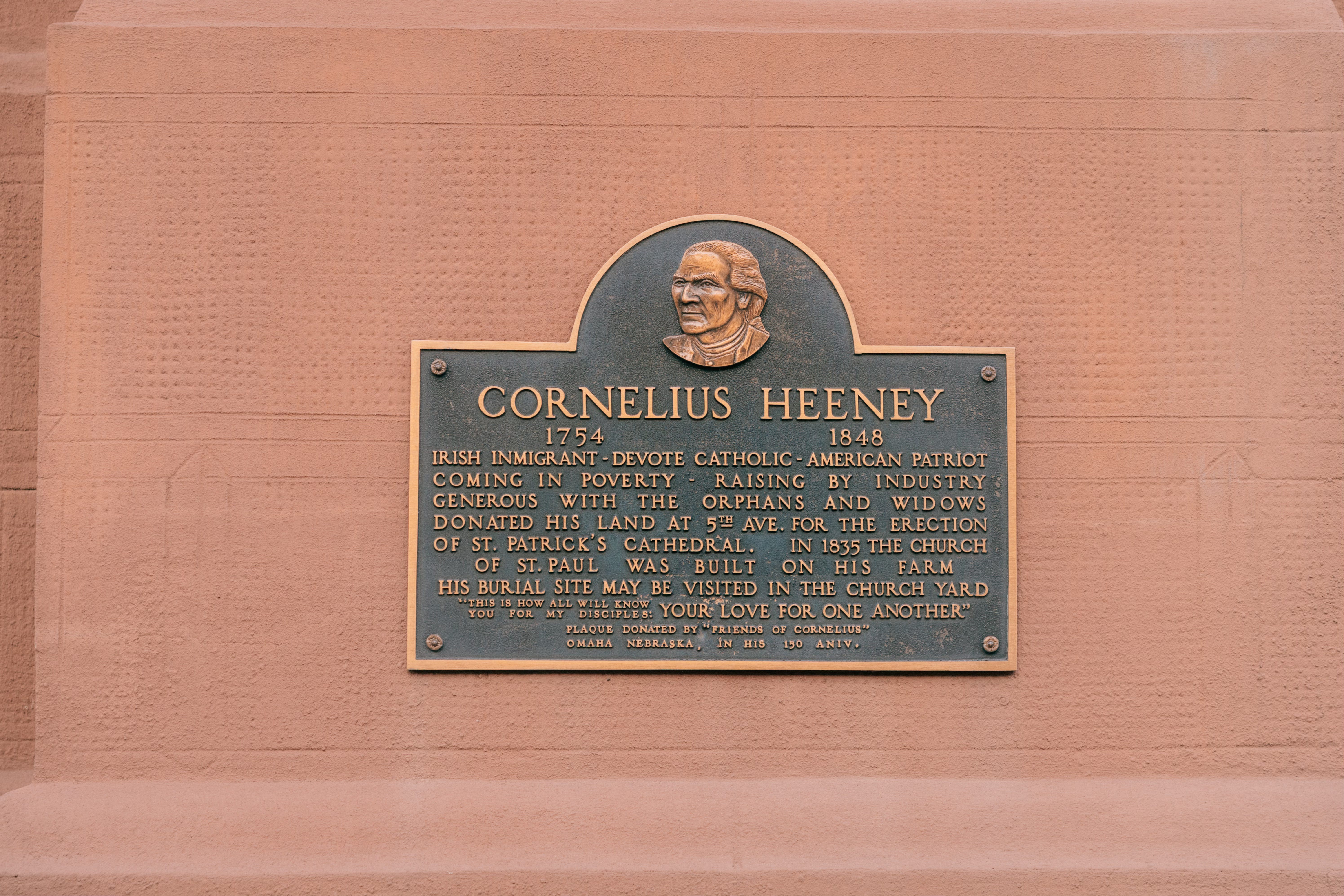
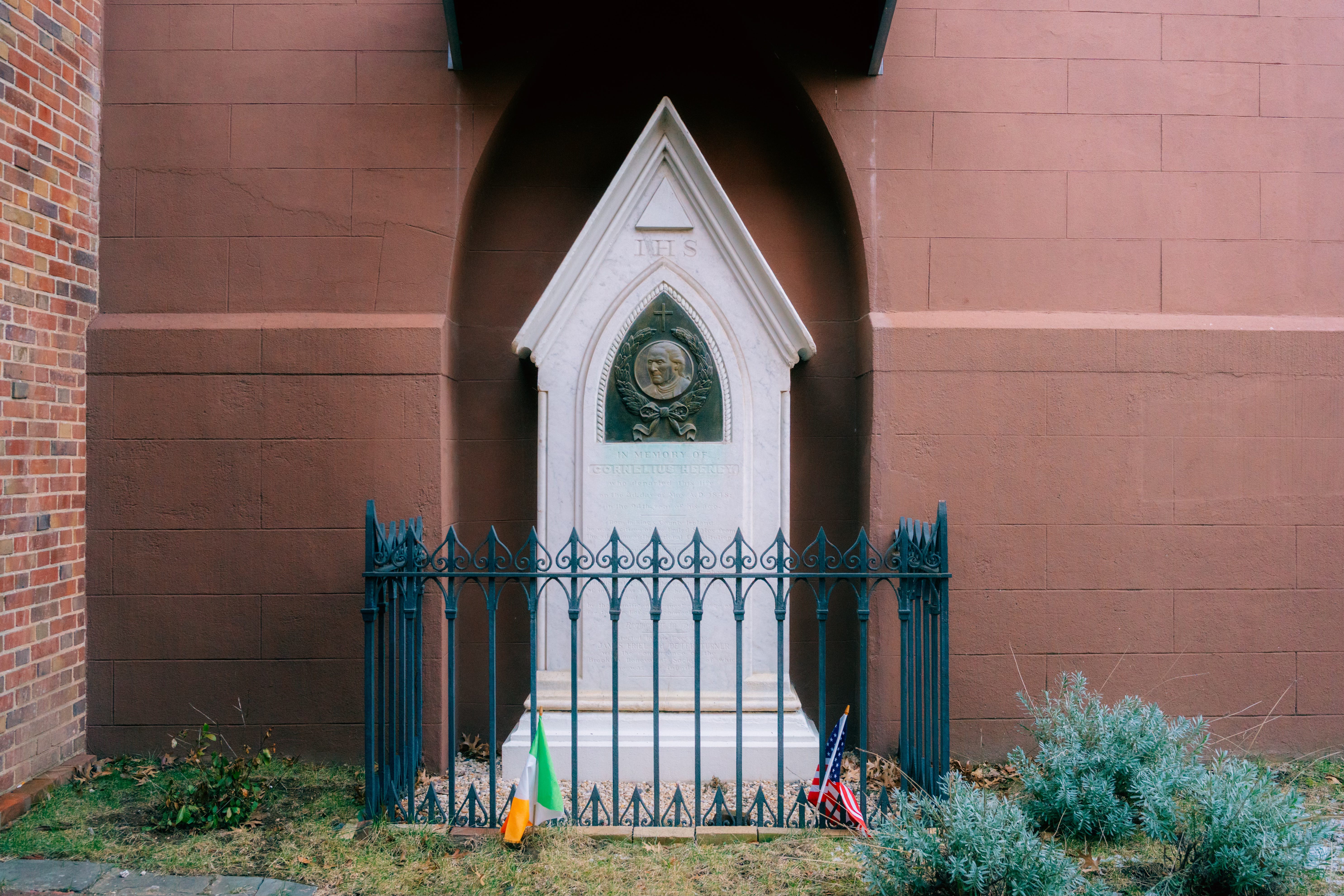
Heeney was a shrewd business man which helped him amass a sizable wealth. He never married and thus shared his wealth with the Catholic Church, helping to found the first Catholic Church in New York, St. Peter’s Church which is in the Financial District in Manhattan. He also helped finance the building of St. Patrick’s Old Cathedral in Nolita and gave land to build an orphan asylum. He established the first Catholic newspaper called The Truth Teller and served on the New York State Assembly from 1818-1822. Heeney lived above his store and in 1835 the Great Fire of New York would scorch not just his store and home, but 17 blocks of Lower Manhattan. With his store and home gone, Heeney would take the remaining $7,000 he had left and retire in Brooklyn. He bought a farm and established the Brooklyn Benevolent Society, a charitable society that gave fuel to the poor in the winter, clothing to poor school children, and paid teachers to teach poor children. After Heeney’s death in 1848, the society would continue its focus on education. Today, universities and colleges like Seton Hall, St. Francis Brooklyn, Saint Peter’s University, Marymount Manhattan College, Manhattan College, and Fairfield University all award scholarships in Heeney’s name and were established by the Brooklyn Benevolent Society. Heeney also donated land before his death to build St. Paul’s Church on Court Street. Heeney is buried on the church grounds, in a small courtyard in the back of the church. There is also a plaque on the front of the church with a brief bio about Heeney and his contributions. Shortly after Heeney’s death, the Second Unitarian Church was built on Heeny’s land in 1857.
Church Of The Holy Turtle
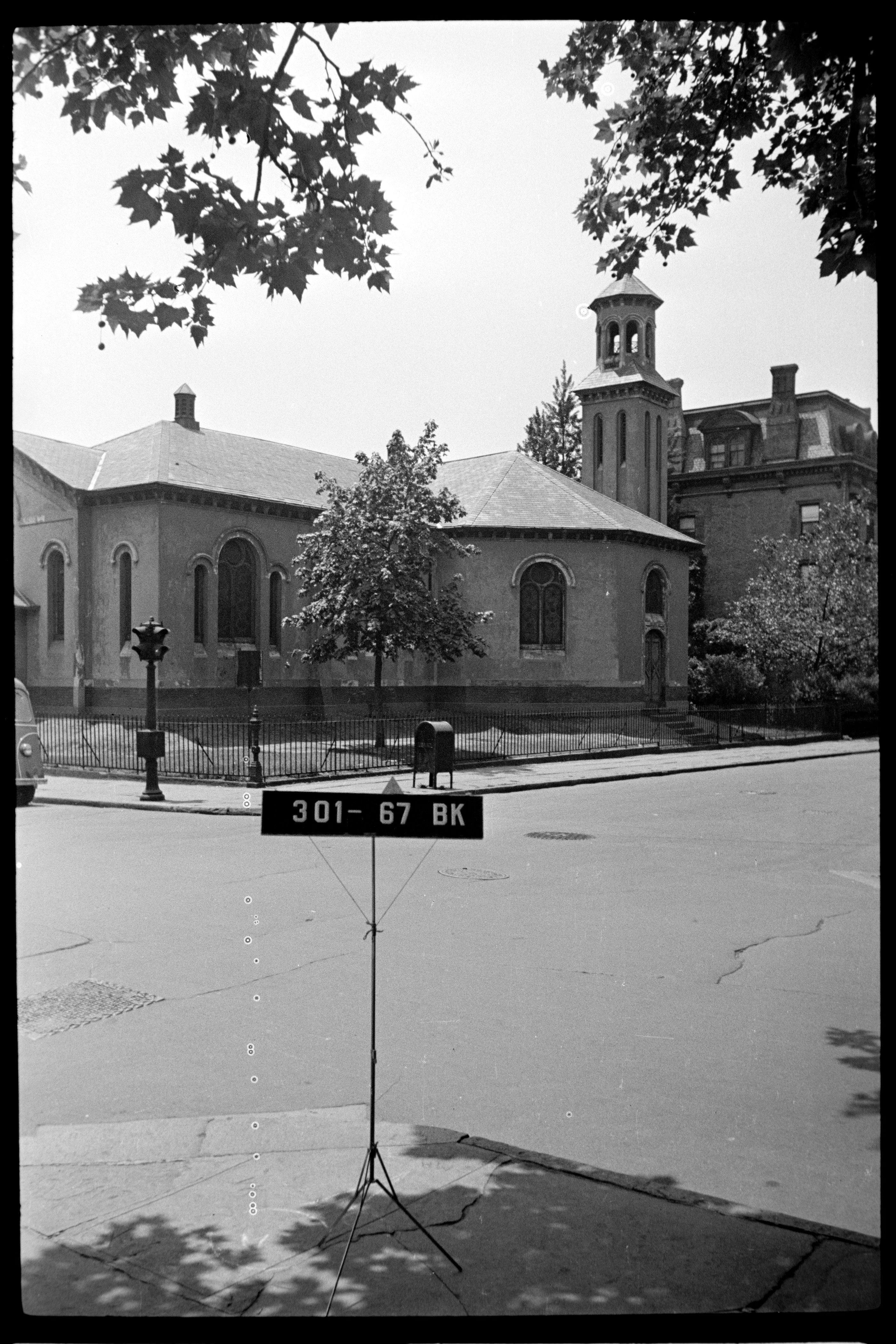
The Second Unitarian Church earned the nickname “The Church of the Holy Turtle”, due to its shape and green roof. The Unitarian parishioners were of New England and European descent and were pretty liberal in their views. They had existed in Brooklyn since the 1830s and rifts had developed within the first church which caused the Second Unitarian Church to be created. When looking at the history of the Second Unitarian Church, the never ending fight for civil rights and social reform is present throughout.
This mission was started by the first pastor of the church, Samuel Longfellow, the brother of prominent poet Henry Wadsworth Longfellow. Like his brother, he had strong liberal views for the time, he was an abolitionist, a pacifist, and a supporter of women’s rights. In some of his sermons he portrayed John Brown, the leader of the rain on Harpers Ferry in Virginia (now part of West Virginia), as a martyr which drew backlash. In his surviving journals, Longfellow had written about a few intimate relationships with men throughout his life. The longest of which was with a man named Samuel Johnson that lasted for 40 years up until Johnson’s death in 1882. After Johnson’s death, Longfellow mentored gay men in Boston. He would leave the Second Unitarian Church in 1860 to travel to Europe and passed away in Maine in 1892.

Longfellow was replaced by Reverend Nathan Augustus Staples, who was also liberal in his views and an abolitionist. Staples also believed in Darwinism and supported the works of Herbert Spencer who coined the term “survival of the fittest.” As the Civil War was just beginning, the church would donate a significant amount of money to the Union Army under Staples’ leadership. He would have a short stint with the church, leaving in 1863 and replaced by John White Chadwick, who was one of the more popular pastors. Under Chadwick, the church would gain more supporters and was able to finish paying off the church’s debt in 1872. Spencer would be at the church until 1904.
One of the most famous members of the church was Mary White Ovington. Ovington, was born 1865 in Brooklyn and was a member of the prominent Ovington family in Brooklyn Heights. Her father, Theodore Ovington helped found the Ovington China Company with his brother Edward. The two made their fortune importing high end China from France. Mary was educated at the Packer Collegiate Institute and Radcliffe College, part of Harvard University. She was involved in the civil rights movement at that time, helping to found the National Association for the Advancement of Colored People (NAACP). She worked two terms as the Executive Secretary for the NAACP before becoming the Chair from 1919-1934. She was an active leader of the organization up until her death in 1951, while also writing multiple books on race issues as well.
An Empty Lot Spurs A Park
Eventually, shifting demographics in the area lead to the dwindling numbers of parishioners for the church. The last service would be held in 1924 but the building itself would not be torn down for some time. The land however was not owned by the Second Unitarian Church but by the Brooklyn Benevolent Society since Heeney had donated the land to them. The church was used for a period of time as a meeting place for the St. Paul’s Council for the Knights of Columbus, but after that it was left abandoned. The abandoned church was demolished in 1961, but not completely as rubble was left and trash soon started to pile up on top of the rubble.
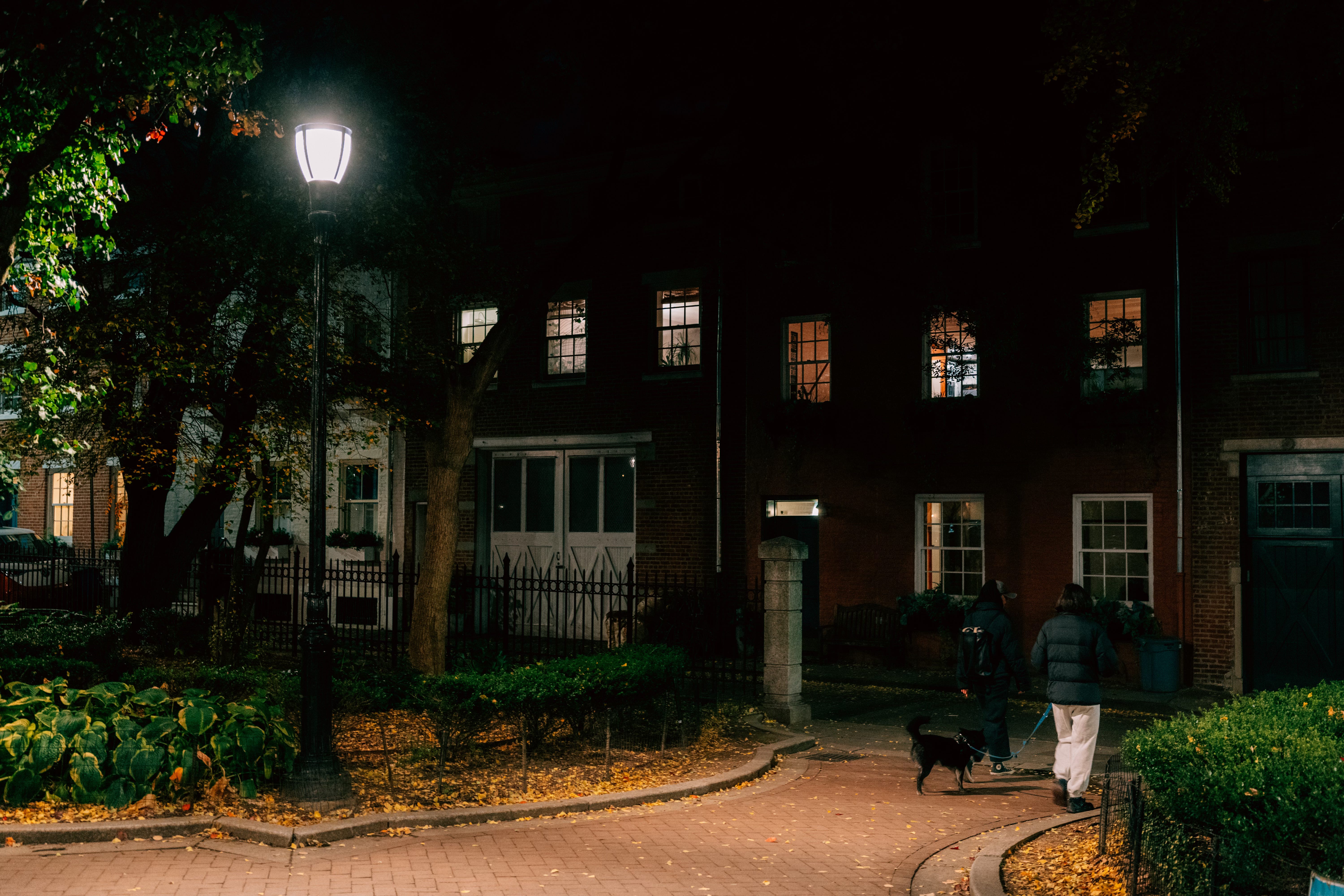
Many suggested in op-ed’s to local newspapers that a park should be built on the abandoned lot. However, the land was sold to a real estate firm called Singer and Sons for $167,500. They intended on building apartments on the lot. The local community stepped in, advocating for a park to be built, creating the Emergency Park Organization for Cobble Hill (EPOCH), receiving 1,158 signatures from residents in favor of building the park, while working fast to get the idea in front of government officials. They were able to get the plan to Parks Commissioner Newbold Morris, who was against the idea due to its cost while also saying if he gave a park to Cobble Hill then he would have to give one to every neighborhood in the city. However, Morris would come around on the idea, eventually going before the Board of Estimate in July of 1962 to request the park be built. In October of 1962 the park plan was approved and the city bought the site from Singer & Son’s, showing what can happen when neighbors band together to create civic action. The park would take another few years to build and would be completed in 1965. Today it serves as a reminder of what can happen when a community bands together to create civic action that leads to the building of beautiful spaces.
This is awesome. Walk by the park all the time had no idea of its history